Monte Isola: what to see and how to get there
The largest lake island in Europe, car-free: fishing villages, olive groves and a sanctuary overlooking the whole lake.
The car-free island
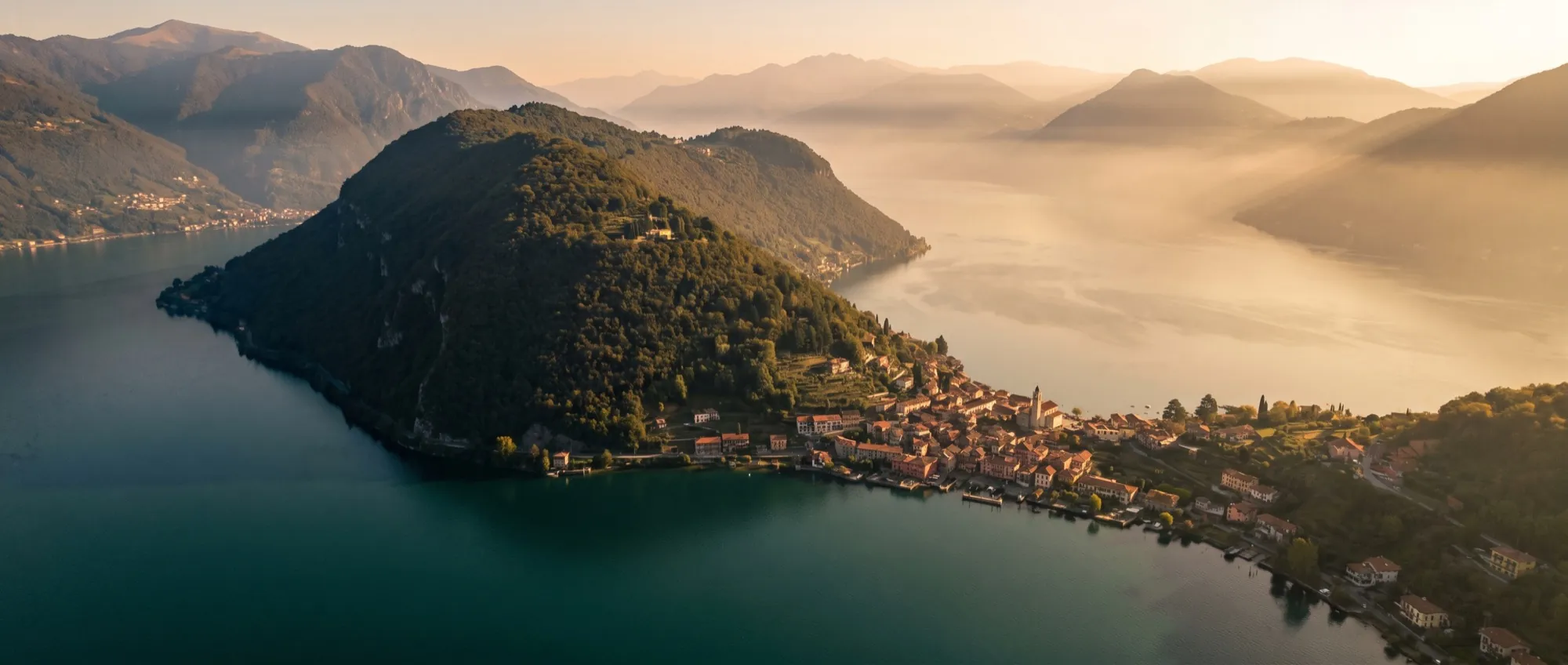
In the middle of Lake Iseo there's a green mountain rising from the water: it's Monte Isola, the largest lake island in Europe and one of the few still inhabited all year round. You grasp what makes it special the moment you step off the ferry: private cars cannot circulate. You move on foot, by bike or on the small local bus, and time slows down accordingly.
The island has lived for centuries on fishing, nets and olives: Monte Isola's fishing nets have been exported around the world, and sun-dried sardines remain its signature dish. In 2016 the island became internationally famous thanks to Christo's The Floating Piers, the floating walkway that for two weeks connected it on foot with Sulzano — but those who return today find the same magic, without the crowds.
Getting there: the ferries
The handiest and most frequent connection leaves from Sulzano and lands at Peschiera Maraglio: the crossing takes a few minutes and sailings run regularly all day, into the evening. It's the ideal route if you're staying on the east shore of the lake.
Alternatively you leave from Sale Marasino and land at Carzano, on the northern side of the island. In the warm season the scheduled boats also connect Monte Isola with Iseo and the other lake towns, which lets you build round trips: out from one port, back from another. Tickets are bought directly at the piers; times and frequencies vary with the season, so it's worth checking the current timetables before setting off.
If you come by car, you leave it in the car parks in Sulzano or Sale Marasino: on summer weekends they fill up early, one more reason to set off in the morning.
What to see on the island
Eleven hamlets clinging between the lake and the summit: each has its own character, and the distances are always within walking reach.
Peschiera Maraglio
The village where most visitors land: fishermen's houses on the water, nets laid out to dry and the liveliest lakefront on the island, among shops and trattorias.
Sensole
A handful of houses among the olive groves, facing the islet of Loreto: it's the classic walk from Peschiera, flat and all lake views, perfect at sunset.
Sanctuary of the Madonna della Ceriola
On the island's highest point: you climb on foot along paths and mule tracks through Cure, and from the top your gaze takes in the whole lake, from the Torbiere to the Prealps.
Siviano and Carzano
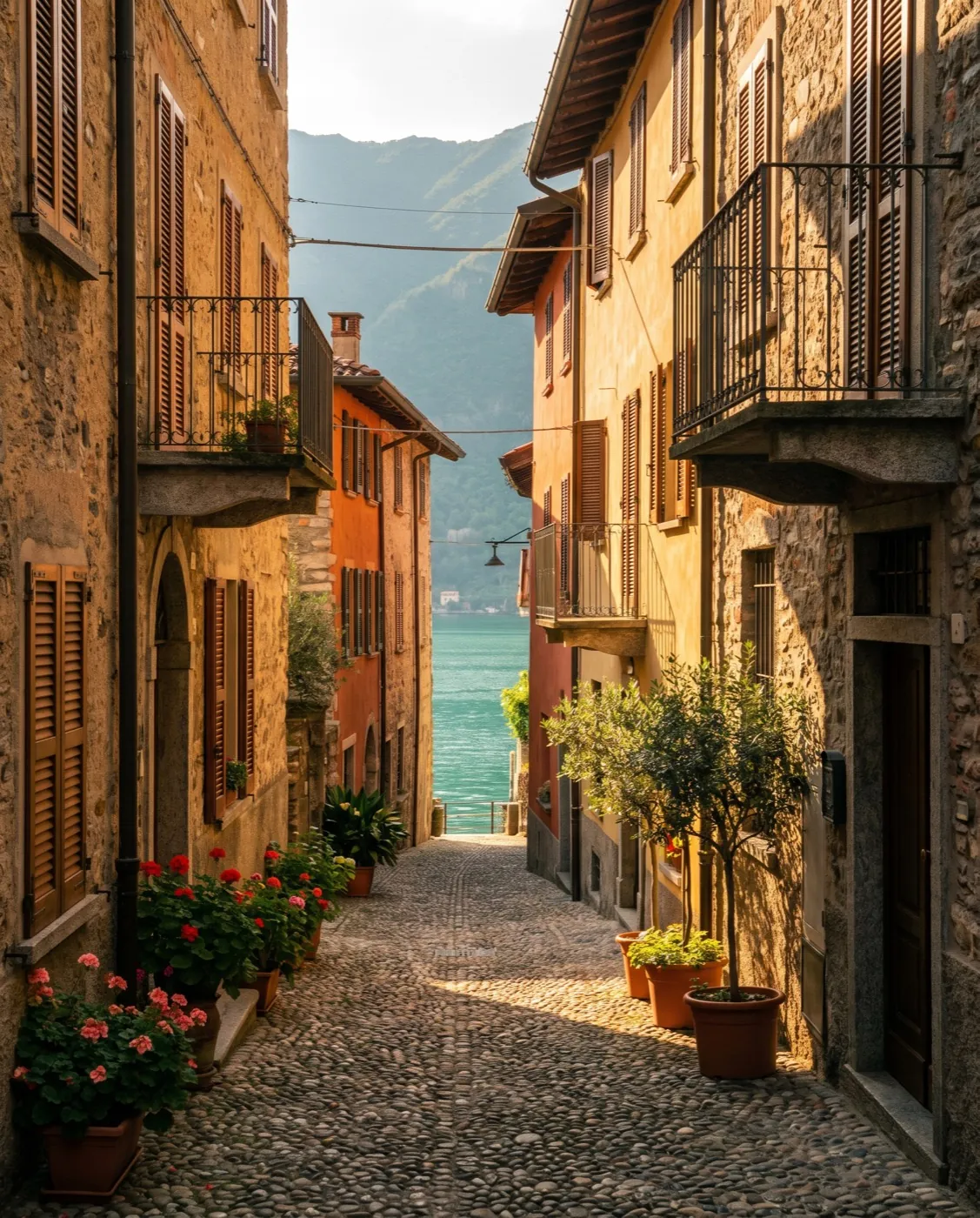
Siviano is the main village, with its medieval tower and narrow lanes; Carzano, on the north side, is the landing village from Sale Marasino, quiet even in high season.
Round the island, by bike or on foot
The shore road circles the island in about ten kilometres, almost all flat: by bike it's a ride anyone can manage, with the water always alongside and a new view at every bend. As soon as you land at Peschiera Maraglio you'll find the bike rentals, including e-bikes for those who want to pedal effortlessly.
On foot, the full loop is a half-day walk; many prefer the Peschiera–Sensole stretch on the way out and an unhurried return along the same path. The demanding variant is the climb to the Ceriola: paths and mule tracks that rise through woods and olive groves to the sanctuary. You feel the ascent, but the view from the top is the finest on the whole lake.
What to taste
Monte Isola is for eating as much as for seeing. Its signature dish is the sun-dried lake sardines — actually agoni — hung on traditional racks and then dressed with the extra-virgin olive oil of the island's groves, among the northernmost in Italy. The other name to remember is Monte Isola salami, still made according to local tradition.
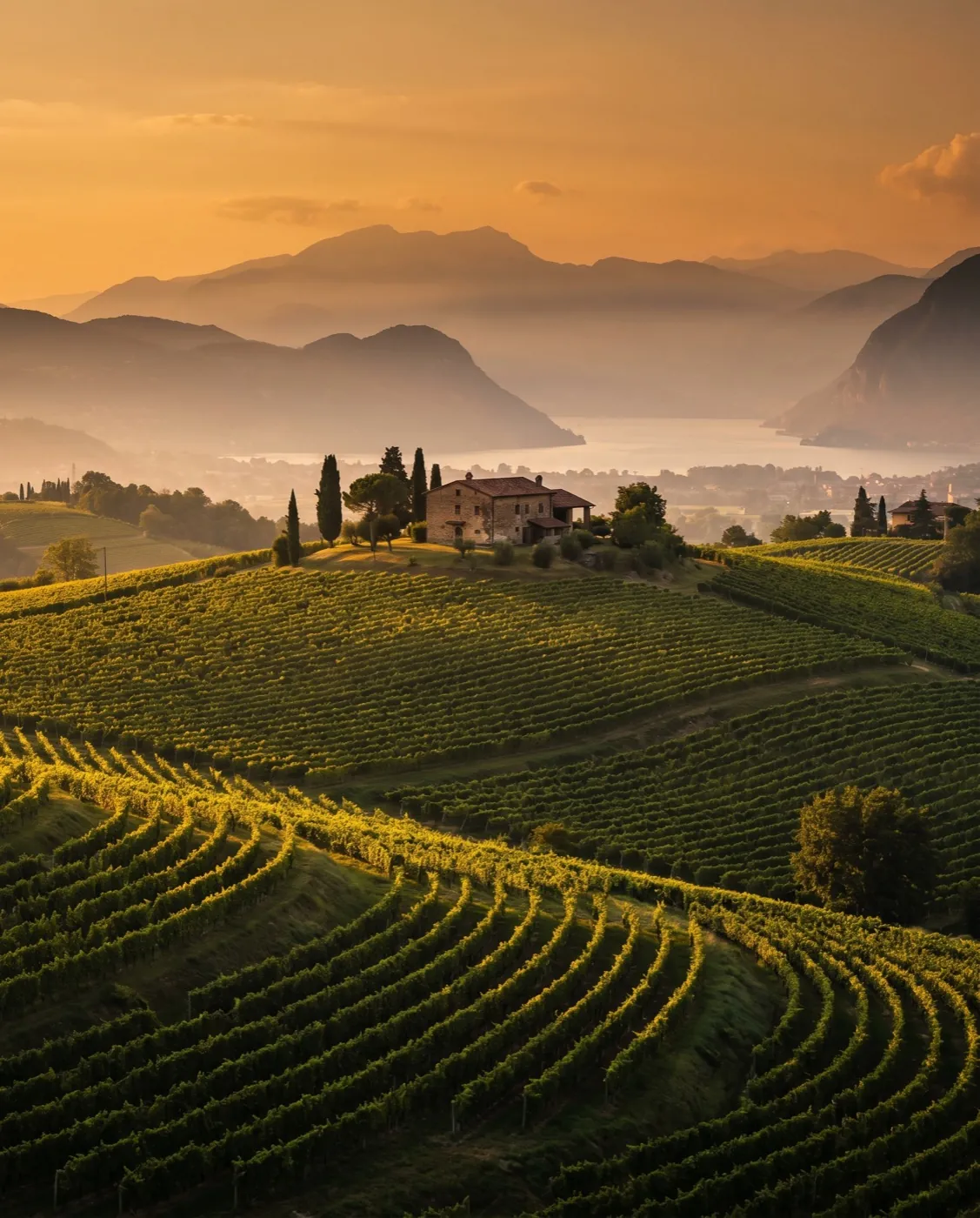
The village trattorias serve them with a view of the water: lunch here, after the bike ride, is the right way to end the visit — perhaps with a glass of Franciacorta, made just a few kilometres from here.
Looking for a holiday home nearby?
From Sulzano and Sale Marasino the ferry to Monte Isola leaves steps from our homes — waking up with an island view included.