Franciacorta: wineries and tastings near the lake
The hills of Italy's finest sparkling wine begin where the lake ends: villages, vineyards and wineries minutes from our homes.
The land of Italy's sparkling wine
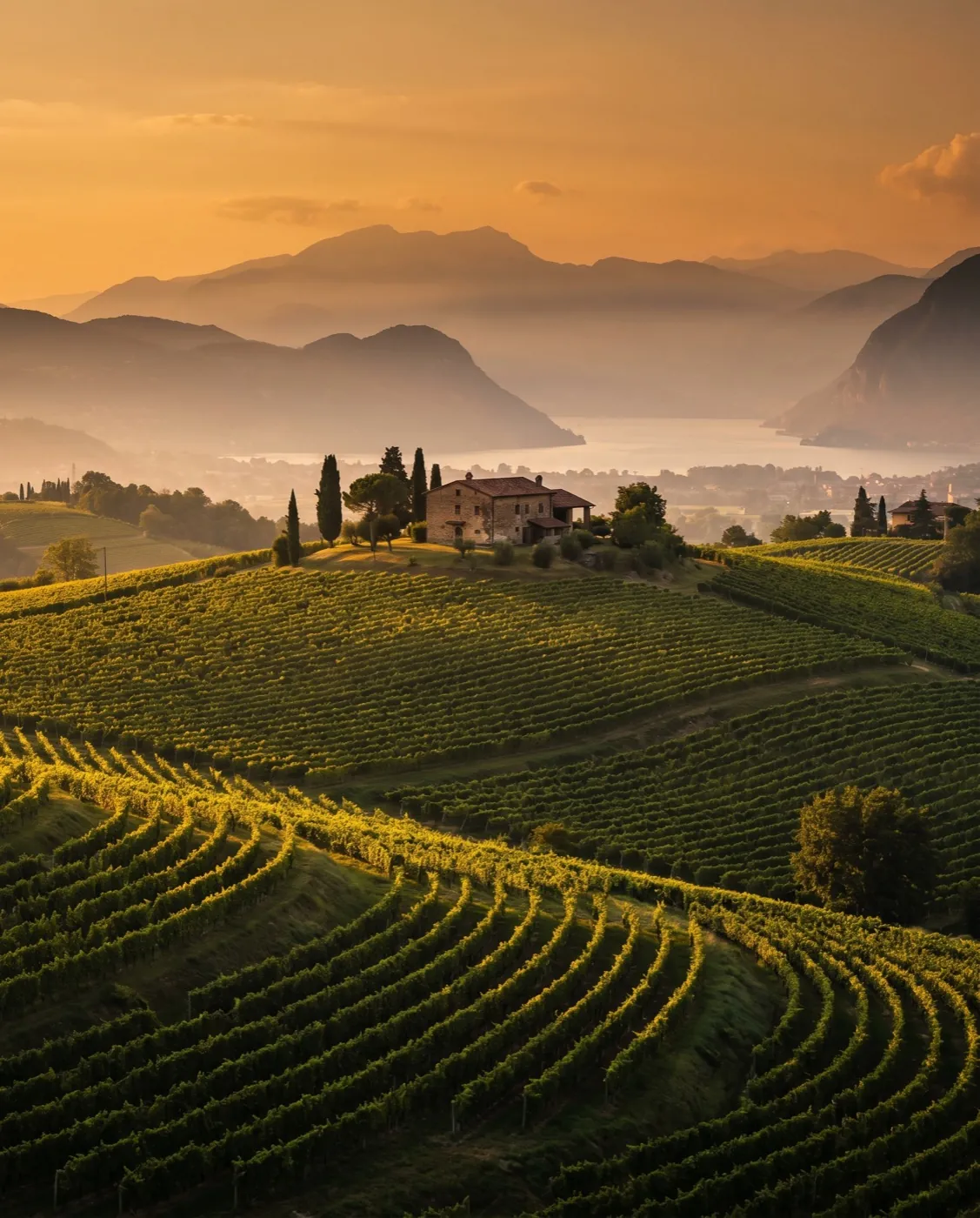
Between the south shore of Lake Iseo and Brescia lies Franciacorta, an amphitheatre of moraine hills covered in vineyards that gave its name to Italy's most celebrated sparkling wine. Franciacorta DOCG is a méthode classique sparkling wine: the second fermentation takes place in the bottle, with long ageing on the lees — the same process as Champagne, with a character all its own.
The grapes are mainly Chardonnay and Pinot Noir, and the styles to know are called Brut, Satèn (the softest and creamiest, exclusive to the area), Rosé, Millesimato and Riserva. But Franciacorta isn't just a wine: it's a region to explore slowly, among abbeys, wetlands and villages where you eat wonderfully — and it starts just a handful of minutes from our homes on the lake.
The Wine Road and its villages
The Franciacorta Wine Road is a signposted route that stitches together vineyards, wineries and towns. These are the names to put on your map.
Erbusco
The heart of Franciacorta: home to many of the appellation's best-known wineries, among orderly vines and historic villas. The natural starting point of any tour.
Adro and Capriolo
The first wine villages arriving from the lake, on the hills above Paratico: vineyards as far as the eye can see and family-run wineries alongside the big names.
Corte Franca and Provaglio d'Iseo
The gateway between vines and lake: from here you reach the Torbiere del Sebino reserve in minutes, with the San Pietro in Lamosa monastery overlooking the reed beds.
Rovato and Passirano
Rovato is the area's culinary capital — beef braised in oil is its signature dish — while Passirano preserves one of Franciacorta's most recognisable castles.
How to arrange a tasting
There's one golden rule: book ahead. Franciacorta's wineries — from the most famous maisons to small family estates — almost always receive by appointment, with guided tours of the vineyards and ageing cellars that end in a tasting of two or more labels. On weekends and during the harvest it's best to arrange a few days in advance.
For pacing, the advice of the locals: one or two wineries a day, no more. Each visit deserves a couple of hours of storytelling and glasses, and the roads among the vineyards are meant to be driven unhurried. Whoever tastes doesn't drive: take turns at the wheel, or rely on the guided-tour services operating in the area.
Many wineries also have their own shops: taking home a few bottles chosen where they're made is half the pleasure.
Beyond the wine
Between one glass and the next, Franciacorta fills the day even for non-drinkers. The Torbiere del Sebino, a nature reserve between Provaglio d'Iseo and the lake, are explored on wooden boardwalks among reed beds and pools of water, with the Romanesque profile of the San Pietro in Lamosa monastery as a backdrop. It's the perfect morning walk, before the wineries open their doors.
Art lovers find abbeys and parish churches scattered across the hills, while cyclists have minor roads and signposted routes among the rows, with mostly gentle gradients. And at the table the area plays at home: from Rovato's beef in oil to the lake dishes of nearby Clusane, every village has its speciality to pair with the bubbles.
When to go
The wineries welcome visitors year-round by appointment, so there's no wrong season. The most scenic moment is late summer: between the harvest and autumn's first colours the hills put on their best show, and the calendar fills with food-and-wine events. Spring is the perfect alternative for cyclists and walkers: lush green hills, mild temperatures and less traffic among the rows.
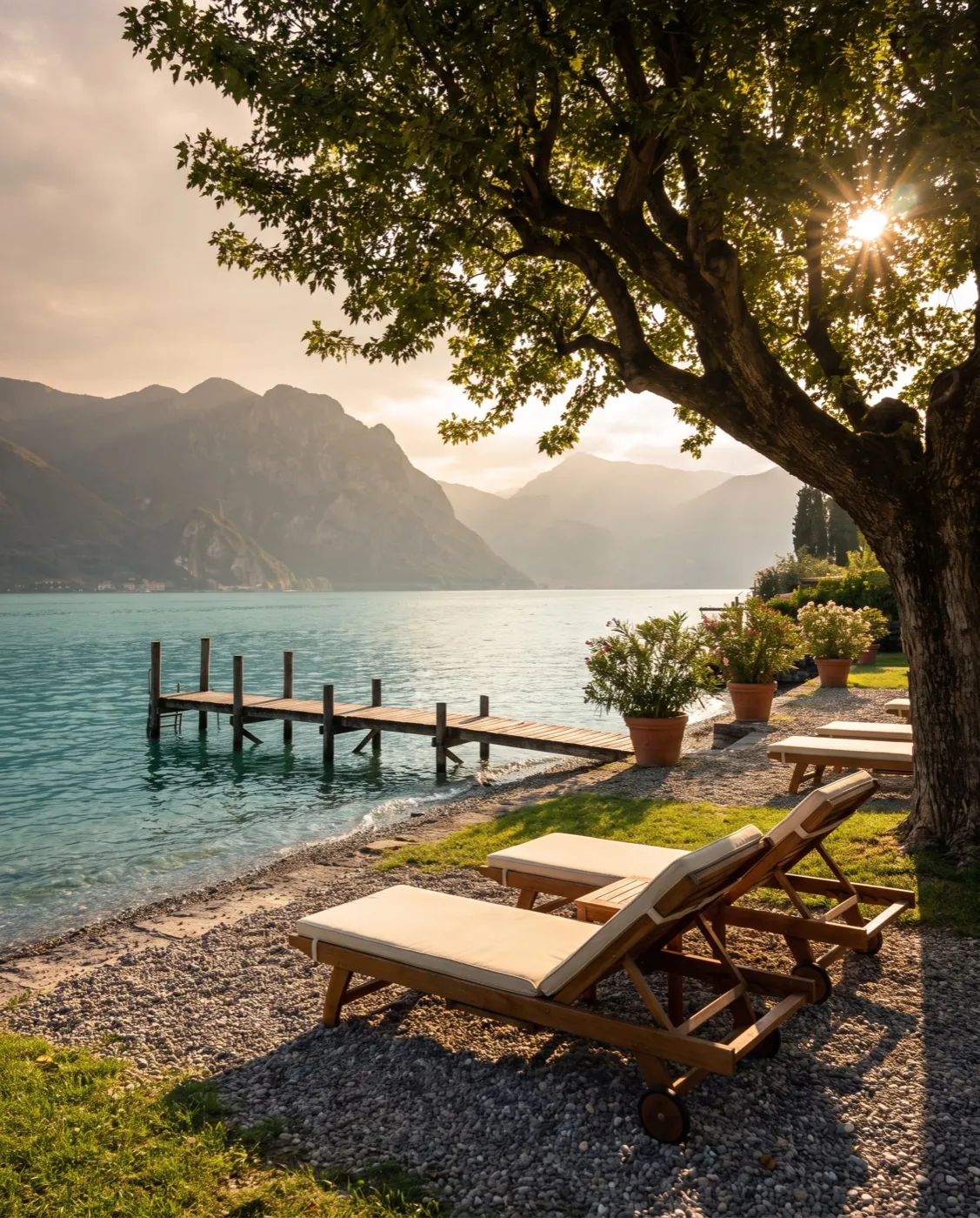
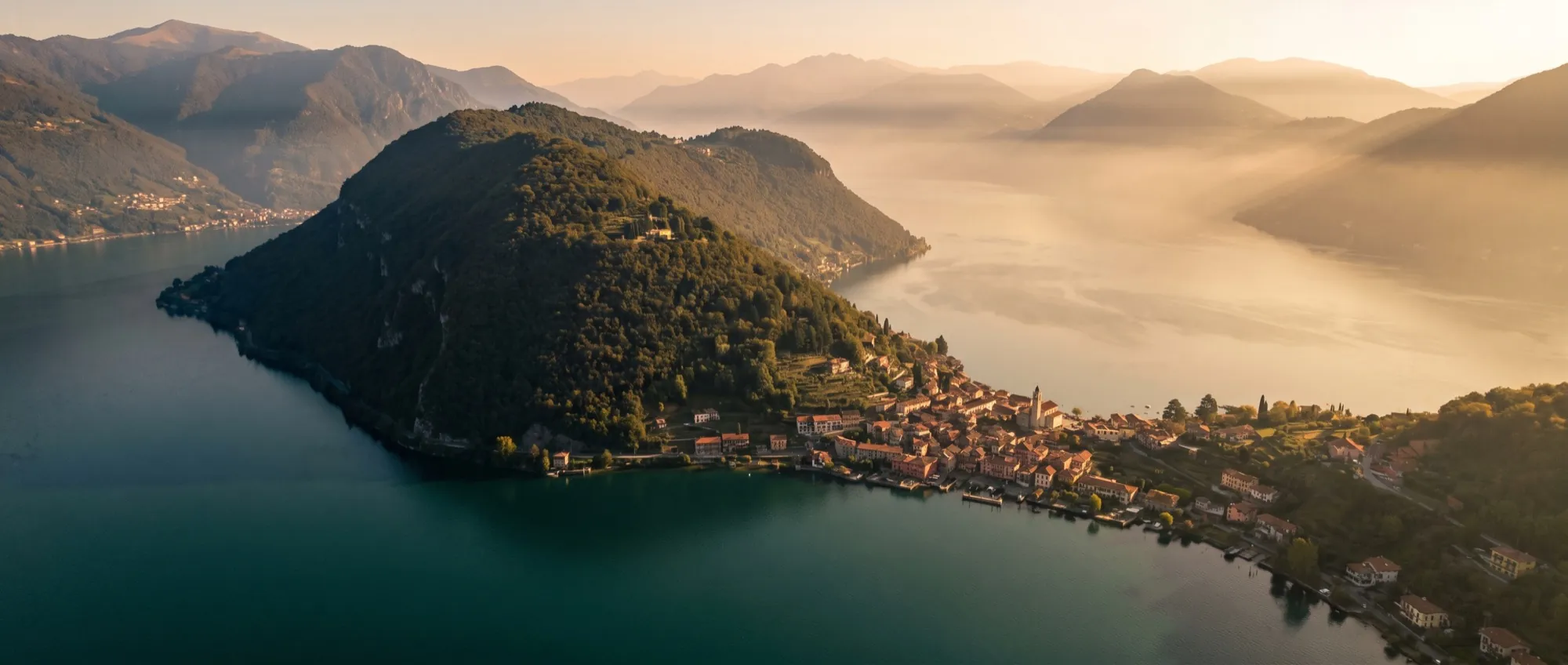
That's exactly the advantage of staying on the lake: the beach or Monte Isola in the morning, vineyards in the afternoon, dinner in a village — all within half an hour.
Looking for a holiday home nearby?
Our Franciacorta Hills Loft is in Adro, among the vineyards; the homes in Iseo and Paratico are ten minutes from the first wineries.